
How to Sell Oil Royalties (and Get Fair Value for Your Mineral Rights)
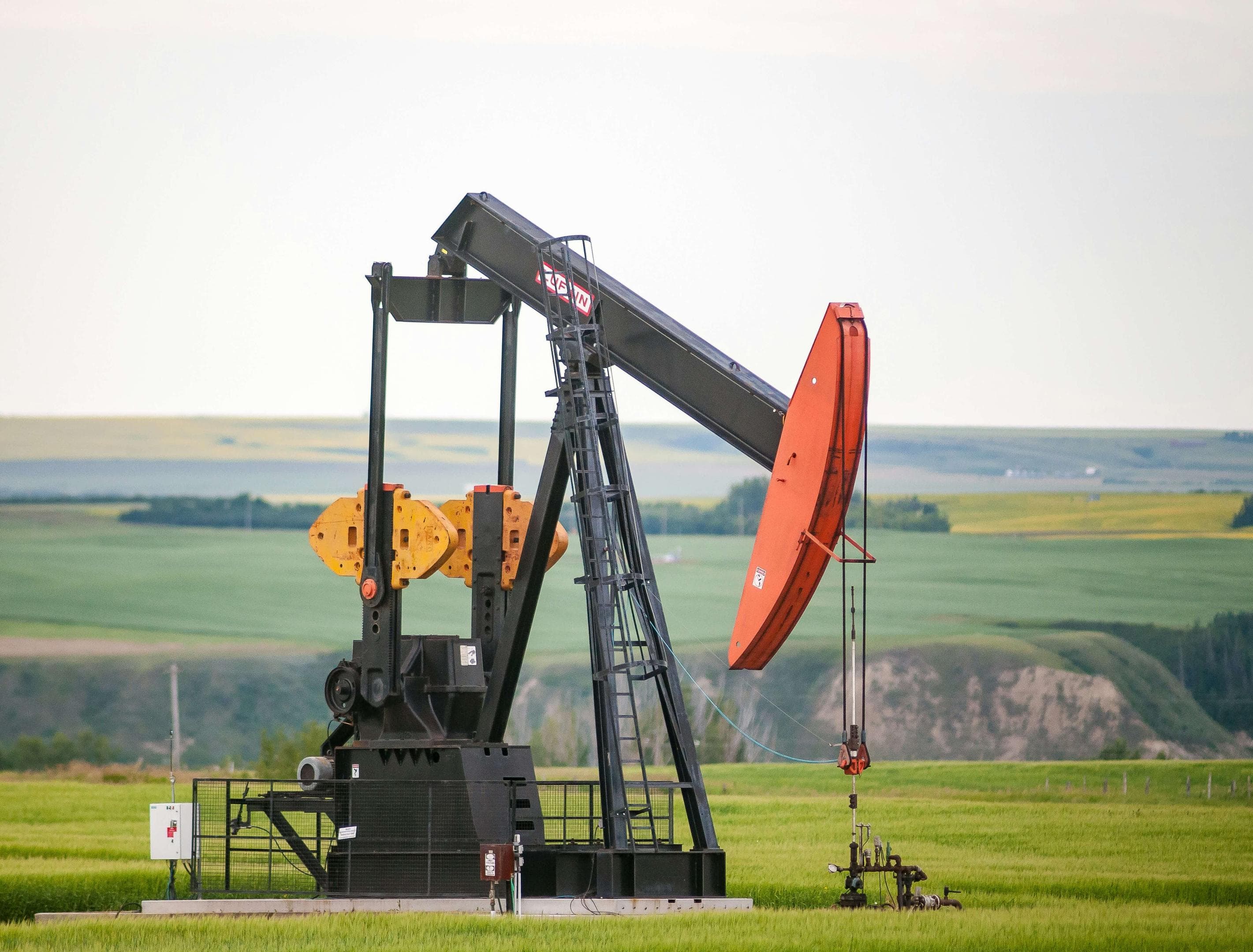
Introduction: Should You Sell Your Oil Royalties?
Oil and gas mineral royalties give you a share of production revenue from wells drilled on land where you own the mineral estate. Unlike surface rights, which cover the land itself, mineral rights entitle you to what lies beneath. And unlike a working interest, a royalty interest means you collect income without paying drilling or operating costs.
Longhorn Minerals buys oil royalties and mineral interests directly from mineral owners nationwide, with a focus on major shale basins in Texas, New Mexico, Oklahoma, North Dakota, Colorado, Wyoming, Ohio, Pennsylvania, and West Virginia.
So why would a mineral rights owner consider selling in 2026? The short answer: volatile oil and gas prices, unpredictable monthly checks, complicated estate or family trust situations, and the appeal of a guaranteed lump sum. Selling oil and gas royalties involves converting future revenue into an immediate cash payment, and for many owners, that trade-off makes financial sense.
Selling mineral rights is not always bad or always good. The right decision depends on your financial situation, health, age, risk tolerance, and family dynamics. This article walks through how to sell oil royalties step by step, how mineral buyers evaluate mineral rights value, and the common mistakes that cost sellers money.
Oil Royalties 101: What Exactly Do You Own?
Before you sell, you need to understand exactly what you have. Here are the core terms every mineral rights owner should know.
- Mineral rights vs surface rights. Imagine a Texas ranch where the surface and mineral estates were severed decades ago. The surface owner controls the land, buildings, and access. The mineral owner controls the oil, gas, and other minerals below. These are separate forms of real property.
- Royalty interest. A royalty interest represents a percentage of revenue from an Exploration and Production company operating wells on your minerals. Royalty payments are typically 12.5% to 25% of revenues, depending on your oil and gas lease. You owe nothing toward drilling or operating costs.
- ORRI vs working interest. An overriding royalty interest is carved from a lessee's share and expires when the lease ends. A working interest means you pay a proportional share of costs and bear operational risk. Most mineral owners hold royalty interests, not working interests.
- Producing vs non producing. Producing minerals have active wells generating royalty income. Non producing minerals may be leased with no wells drilled yet, or completely unleased. Non producing mineral rights still have value, but it depends on geology, location, permits, and operator activity.
- How ownership gets complicated. Mineral rights often pass through inheritance, probate, or a family trust. Over decades, a single tract can fracture among dozens of heirs, creating messy chains of title.
Mineral rights can generate income from oil and gas production, and they can be sold outright or leased for royalties. Start by gathering your division orders, royalty check stubs, lease agreements, and deeds. These documents are essential when you sell oil royalties.
Why Sell Oil Royalties or Mineral Rights? (Personal and Financial Reasons)
You have probably heard the advice: "never sell your mineral rights." That rule made more sense when ownership was simple and operators were predictable. Today, many factors make selling a smart move for many mineral owners.
Personal reasons include:
- Paying off high-interest debt or medical expenses
- Funding college tuition or a home purchase
- Simplifying a complex family trust or estate split among many heirs
- Reducing the administrative burden of tracking operators, division orders, and royalty payments
Financial reasons include:
- Concentration risk: all your royalty income comes from one operator or one basin
- Desire to diversify into index funds, bonds, or real estate
- Operators can shut in wells, change development plans, or delay drilling indefinitely
Selling mineral rights eliminates future price and development risks. It is a permanent transaction, meaning you give up a steady cash flow from royalties in exchange for a lump sum cash payment.
Leasing mineral rights can yield ongoing royalty payments, but leasing may result in no royalties if no minerals are found, and lease payouts can decline over time.
How Much Are My Oil Royalties Worth? Key Factors Buyers Consider
There is no fixed price per acre for mineral rights. Mineral rights can sell for varying prices per acre because mineral rights value depends on production and location. Here are the core factors that determine what buyers will pay.
- Location. Basin and county matter enormously. Permian Basin acreage in Texas and New Mexico commands premium multiples. SCOOP/STACK in Oklahoma, Eagle Ford, and Marcellus/Utica in West Virginia and Pennsylvania are also active. Gas fields in less developed areas trade at lower multiples.
- Production status. Producing minerals can sell for higher prices than non producing. Active wells with steady royalty income give buyers confidence. Royalties on land with permitted or newly drilling wells generally fetch a higher premium.
- Decline curves and well count. Many shale wells decline 60–70% in year one. Buyers model future production using hyperbolic and exponential decline analysis, then discount future cash flows at 10–25% depending on risk.
- Current oil and gas prices. Oil prices in early 2026 sit around $72–$80 per barrel, with gas prices near $2.80–$3.40 per MMBtu. U.S. daily oil production increased by 260% over the last decade, supporting ongoing buyer interest. But prices swing — WTI dropped below $40 in 2020 before recovering.
- Lease terms. Your royalty rate (12.5%, 18.75%, 20–25%) directly affects net revenue. Post-production deductions for gathering, compression, and transportation reduce what you actually receive. Average royalty shares can reach 25% in high production areas. The length of the primary term matters for non producing minerals.
- Title complexity. Fractional interests, dozens of heirs, and old deeds from the 1950s can slow title work and reduce offers. Mineral rights are valued based on estimated recoverable reserves, and unclear ownership adds risk to those estimates.
Longhorn Minerals evaluates each tract based on actual production data, operator history, drilling activity, and public records rather than one-size-fits-all pricing.

How to Sell Oil Royalties Step-by-Step
Here is a clear checklist from preparation through closing.
Step 1 – Identify what you own. Gather royalty check stubs from the last couple of months, division orders, lease agreements, prior deeds, probate orders, and any trust agreement documents. If you don't have recent royalty check stubs, you can call your operator's owner helpline to assist with getting you a copy.
Step 2 – Contact reputable buyers. Reach out to multiple mineral buyers, including Longhorn Minerals. Avoid pushy buyers with vague offers. Creating competition among buyers can drive the price up when selling royalties.
Step 3 – Provide data for evaluation. Share legal descriptions (section-township-range or survey/abstract), operator names, lease copies, and pictures of recent royalty statements. This allows buyers to determine fair market value.
Step 4 – Review written offers. Compare headline price, closing timeline, contingencies, and who pays closing costs. Do not fixate on a single number without understanding the full terms.
Step 5 – Negotiate terms. Price, whether you sell undivided interest or specific tracts, and the closing date are often negotiable. Consulting with a landman or oil and gas attorney is advisable when selling large producing mineral tracts.
Step 6 – Title work and due diligence. Buyers often require a title search before purchasing mineral rights. They review county records and run title back to the original owners in many areas to confirm your decimal interest. This phase typically takes 30 business days.
Step 7 – Closing and payment. Payment arrives via wire transfer or cashier's check. Deeds are recorded in the county where the minerals are located. Most mineral rights sales close in 30–60 days.
Common Mistakes When Selling Oil and Gas Mineral Royalties
These pitfalls cost mineral owners real money. Here are the ones to watch for.
- Accepting an unsolicited offer. Many mailers are lowball bids from out-of-state mineral buyers. Always get offers based on production, permits, and location.
- Fixating on price per acre. Without understanding your actual net mineral acres or net royalty interest, price-per-acre comparisons are misleading. Mineral acreage and royalty decimals tell the true story. Our net royalty acres calculator converts any offer into price per NRA so you can compare apples to apples.
- Not verifying the buyer. Failing to check a buyer's reputation, funding, and closing track record can result in deals that collapse. A mineral rights buyer should be transparent about their process.
- Ignoring lease terms. Deductions for gathering, compression, and transportation inside your oil and gas lease can significantly reduce royalty income and the true market value of your minerals.
- Skipping coordination with heirs. If minerals sit in a family trust or among multiple beneficiaries, one person selling without clear authority creates disputes.
- Ignoring tax consequences. A large lump sum can push you into a higher bracket. Plan before you sell. Often sellers will perform a 1031 exchange when selling their minerals to defer taxes.
Choosing a Mineral Buyer: Red Flags and What to Look For
The buyer you choose can add or subtract real value from your sale. Here is what to evaluate.
Positive signs:
- The buyer clearly answers any questions you may have about your minerals or about the selling process
- Buyer covers title expenses and provides a written purchase and sale agreement
- Values your minerals based on production, location, and lease rate
Red flags:
- High-pressure tactics or arbitrary deadlines like "sign in 24 hours or the offer disappears"
- Doesn't educate you about the selling process
- No reputable online presence
Longhorn Minerals operates as a transparent, educational buyer. The company shares its assumptions, offers free evaluations, and never charges mineral owners up-front fees.
How Longhorn Minerals Helps You Sell Oil Royalties Confidently
Longhorn Minerals is a privately held mineral acquisition company. We are not an operator and do not drill wells. We buy mineral rights and mineral royalties directly from property owners and heirs, offering lump sum payments based on production, permits, location, and many other factors.
We look to acquire both producing minerals and non-producing interests across major shale plays, including the Permian Basin, Eagle Ford, Bakken, SCOOP/STACK, and Marcellus/Utica.
Our typical process:
- Free evaluation — We typically like to hop on a call, and ask exploratory questions. Then we do our homework and underwrite an offer based on multiple variables.
- We then present our offer, and if accepted, we send a purchase agreement to be signed.
- Thorough but efficient title review at no cost to the seller.
- Fast closing, typically within 30–45 days, with secure wire transfer payment.
We take an educational approach. We explain what you own, what your oil royalties have been paying, and how current gas prices, oil prices, and new technologies like horizontal drilling on nearby mineral acreage affect value. You can sell all or part of your mineral rights and royalties. We work with individuals, families, and family trusts.
Ready to find out what your minerals are worth? Contact Longhorn Minerals with any and all questions you may have. We'd love to perform a no-obligation assessment and fair offer. No fees, no pressure, no gimmicks — just honest numbers from reputable buyers who buy mineral rights.
Frequently Asked Questions About Selling Oil Royalties
What is the difference between mineral rights and mineral royalties? Mineral rights are fee ownership of subsurface oil and gas mineral resources — they are real property you can sell, lease, or pass to heirs. Mineral royalties are the income stream generated when a gas company or oil company produces from leased minerals on your property.
Can I sell only part of my oil royalties? Yes. You can sell a percentage of your interest, specific tracts, or royalties from certain wells. This lets you receive money now while keeping some exposure to future royalty income. Fractional sales are increasingly common among owners who want to reduce risk without exiting entirely.
Do I lose my surface rights if I sell mineral rights? No. Surface rights and mineral rights are separate estates. You can sell your minerals while keeping your surface property, or vice versa. A property owner who sells minerals still controls the land above.
How long does it take to sell oil royalties? Most straightforward sales close in 30–45 days. Complex cases involving title defects, unresolved probate, or multiple heirs in a family trust may take 60–90 days or longer. The process of selling oil royalties includes valuing assets and completing a title review, which is often the longest step.
What if my minerals are non producing? Non producing minerals still have value. Buyers evaluate geology, nearby wells, operator permits, lease terms, and any lease bonus history. Selling oil on leased minerals with active offset drilling commands more than unleased acreage with no nearby activity. Gas leases in active basins also carry value.
Should I wait for higher oil prices before selling? Timing the open market is difficult. Oil and gas prices are volatile and can affect the value of royalties in either direction. Many owners sell mineral royalties during periods of strong activity to get top dollar rather than gambling on future prices. Selling a portion now and holding the rest is a practical middle ground.
Do I need a lawyer or broker to sell? Legal review is wise for complex estates, especially those involving a trust agreement or multi-state holdings. But many straightforward sales are handled directly with reputable mineral buyers. An oil and gas attorney can review the mineral deed and purchase agreement if you want extra confidence. You can also pay taxes more efficiently with proper legal guidance on how to structure the transaction.