
What Is PDP in Oil and Gas? Proved Developed Producing, Explained
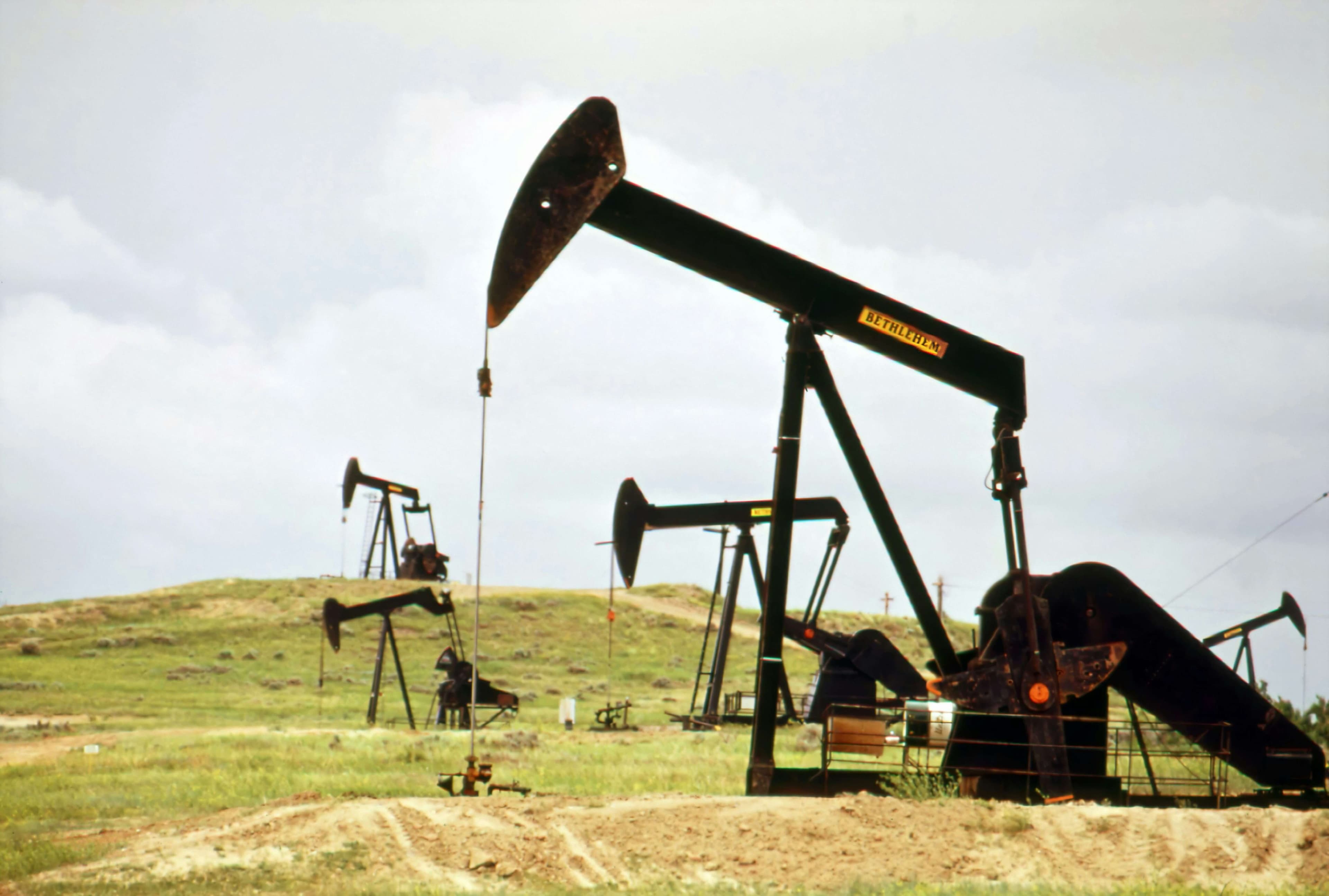
Maybe you saw the letters PDP in a reserve report, or in an offer letter for your minerals, and wondered what they mean. The oil and gas business loves its shorthand. The good news is that PDP is one of the easier terms to understand once someone explains it in normal words. That is what this guide does.
Quick Answer: What Is PDP in Oil and Gas?
PDP stands for Proved Developed Producing. It means oil and gas that will come from wells that are already drilled, already hooked up, and already pumping today.
The well exists. The oil is flowing. The income is being paid out. Nothing new has to be drilled or built for the production to continue.
PDP is the lowest-risk category of reserves, because the wells are already built and their production can be measured. Every other category in a reserve report depends on work that has not happened yet, like drilling a new well or repairing an old one. PDP does not.
PDP Meaning in Plain English
The name is really three tests stacked together. A well only counts as PDP if it passes all three:
- Proved. The data shows the oil and gas is really there and can be recovered at today's prices. "Proved" is not just an opinion. It is a formal standard set by the SEC's reserve rules.
- Developed. The money has already been spent. The well is drilled and the equipment is in place. No big new investment is needed.
- Producing. The well is flowing oil or gas and making money right now.
Think of it like rental houses. A house with a tenant living in it and paying rent every month is PDP. A finished house sitting empty is like a well that is drilled but not producing. An empty lot you plan to build on someday is like a well that has not been drilled yet. All three have value, but only the first one is paying you today.
The Reserve Categories: PDP, PDNP, and PUD
PDP sits at the top of a ladder. Each step down the ladder gets riskier, because more things have to go right before the oil turns into money.
| Category | Stands For | Well Drilled? | Producing Now? | Risk Level |
|---|---|---|---|---|
| PDP | Proved Developed Producing | Yes | Yes | Lowest |
| PDNP | Proved Developed Non-Producing | Yes | No | Low |
| PUD | Proved Undeveloped | No | No | Moderate |
PDNP means Proved Developed Non-Producing. The well exists, but it is not flowing right now. Maybe it is waiting on a pipeline hookup. Maybe there is a proven zone in the well that has not been opened up yet. Most of the money is spent, but the income has not started, or it has paused.
PUD means Proved Undeveloped. Engineers are confident the oil is there, but somebody still has to drill a well to get it. A PUD is a plan, not a well.
PDP vs PUD: The Difference That Drives Value
The question people ask most is how PDP compares to PUD. That is where the biggest gap in risk and value sits.
A PDP well has already answered the hard questions. You know it found oil. You know how much it makes. You can look at its production month by month. About the only things left to worry about are oil prices and how fast the well slows down over time.
A PUD location has not answered any of those questions yet. The operator has to set aside millions of dollars, get a rig, drill the well, and hope it performs the way the engineers predicted. Most PUDs do work out in the big shale plays. But "most" is not "all," and the timing slips all the time. A well planned for next year might not get drilled for five years. If prices drop, it might never get drilled at all.
Because of that gap, buyers and banks cut the value of PUDs way down. A dollar of expected PUD income is worth far less today than a dollar of PDP income. Banks that lend money against oil and gas reserves lean almost entirely on PDP. Many count PUDs only a little, or not at all.
Where You See PDP: The Reserve Report
The place you will run into PDP most often is a reserve report. That is a document an engineering firm puts together to estimate how much oil and gas a group of wells will produce, and what that production is worth.
The report splits the future income into the categories above, then figures out what all that future money is worth in today's dollars. The number you will hear quoted is PV-10. It is the value of the future income, discounted at 10% a year. So a report might say a group of wells has a PDP PV-10 of $5 million. That means the wells already producing are expected to throw off about $5 million of value in today's dollars.
Reserve reports sit behind most of the big decisions in this business. Bank loans, purchases and sales, SEC filings, and estate valuations all lean on them. And in every one of those, the PDP line is the foundation.
Why PDP Matters to Mineral and Royalty Owners
If you own mineral rights or royalties, PDP is not just industry talk. It is the part of your property that is paying you right now, and it is the main thing a buyer looks at when they make you an offer.
When a buyer sizes up a royalty interest, they sort it into the same buckets a reserve report uses:
- Your PDP value comes from the wells already paying you. Buyers usually value this as a multiple of your recent monthly checks, adjusted for how fast the wells are slowing down.
- Your undeveloped value comes from wells that might get drilled later. Permits on file, rigs working nearby, and open spots left to drill all count here. This value is real, but buyers discount it, because it depends on what an operator decides to do down the road.
An interest with steady PDP income gets the strongest offers, because the buyer can see exactly what the wells are doing. If your acreage is not producing at all, the value rests entirely on future drilling, which is a different conversation. We cover that in our guide to the value of non-producing mineral rights.
Conclusion: PDP Is the Part You Can Count On
PDP, short for Proved Developed Producing, is the industry's term for oil and gas coming from wells that are already drilled and already flowing. It is the lowest-risk category in a reserve report, and if you own royalties, it is the source of the checks you receive each month.